Colorado’s Legendary Backcountry Zone @ Loveland Pass, Colorado
Hitchhiking to Hidden Couloirs just off the Highway
By Rob Writz
A Storied Start on the Continental Divide
In a 2021 Denver Post article, MacKenzie Ryan described Loveland Pass as “one of the best worst-kept secrets in backcountry skiing.” For nearly a century, skiers and snowboarders have embraced the simple formula of driving to the top of the pass, dropping in, and hitchhiking back up for another lap (Ryan 2021). This ritual helped shape the culture of Colorado backcountry skiing, turning Highway 6 into more than just a road—it became an access point to adventure.
The area’s ski history dates back to the 1930s, when early explorers set up mechanical rope tows in surrounding basins. Loveland Ski Area opened in 1936 on the north side of the pass, and Arapahoe Basin followed on the south side in 1946. In the 1980s and ’90s, snowboarders pioneered freestyle terrain in places like Main Line and Ironing Board, building jumps long before terrain parks were standard at ski resorts. Today, those same zones feature established backcountry parks with rails, kickers, and massive airtime potential. For many Summit County and Front Range skiers, Loveland Pass remains the gateway to their first backcountry experiences (Writz 2019).
Classic Loveland Lines
Exploring Beyond the Classic Drop-Ins
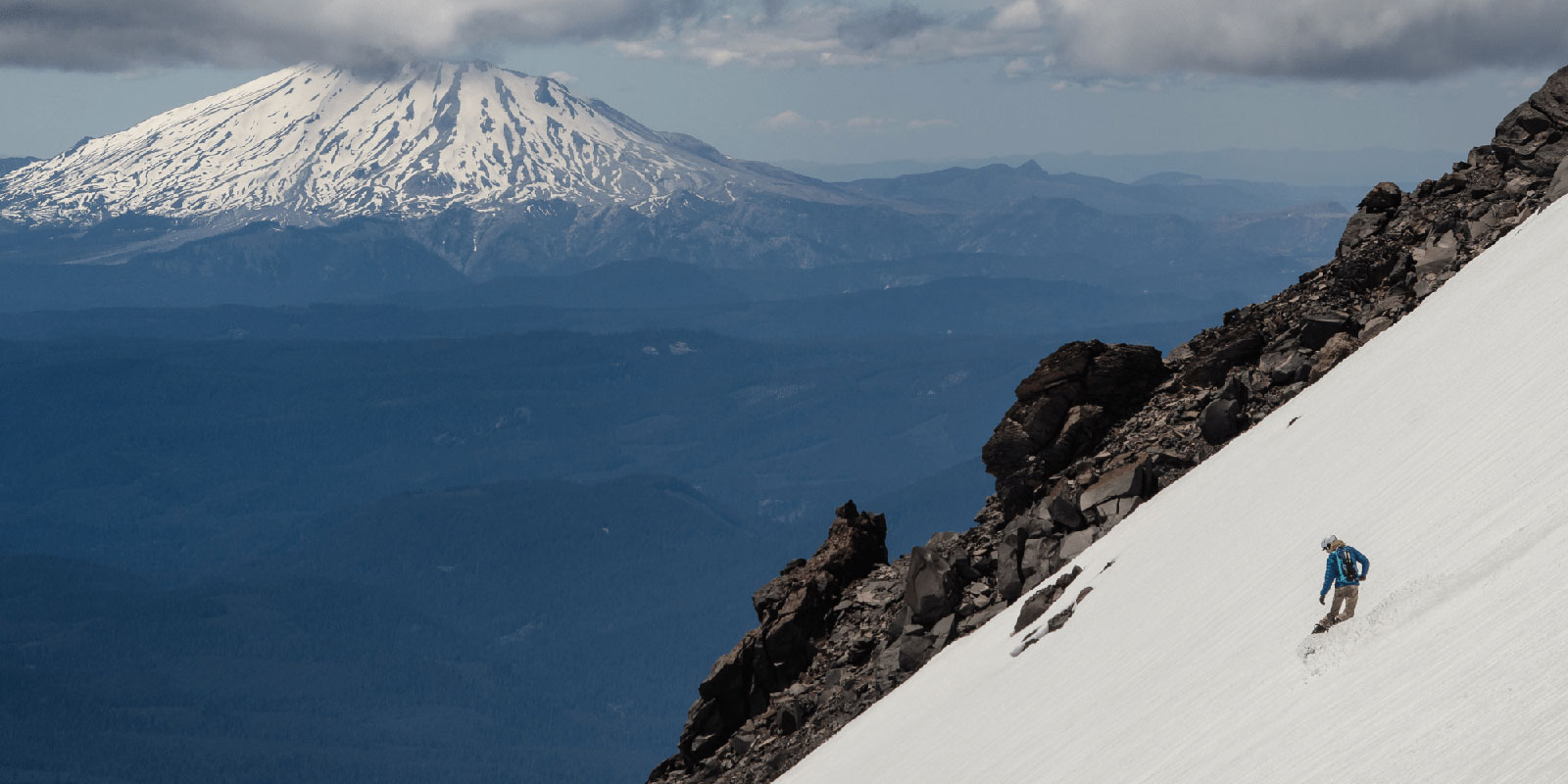
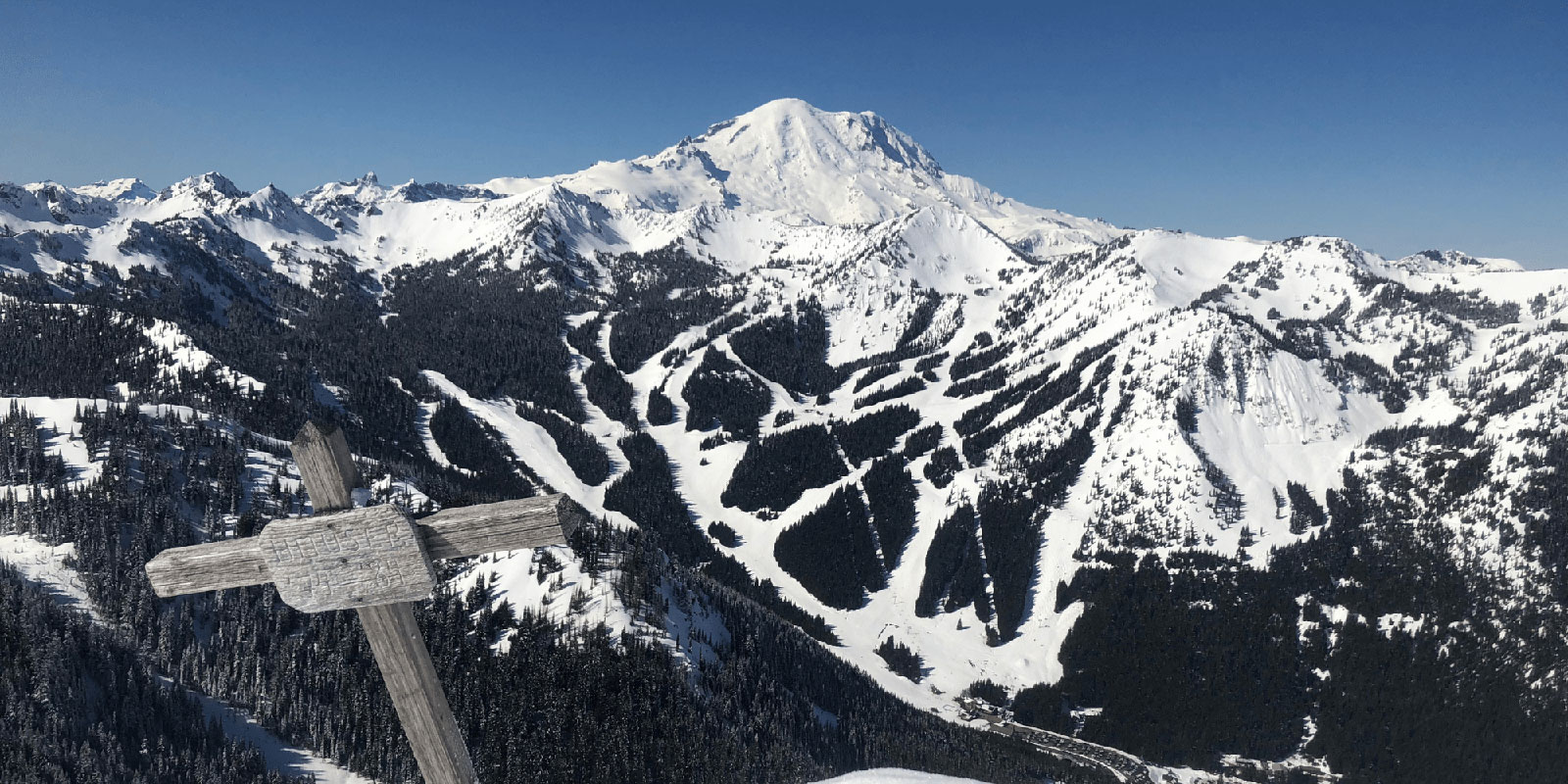
Most people know Loveland Pass for the accessible drop-in terrain visible from the top of the Continental Divide, at an elevation of 11,990 feet. But this guidebook invites you to go beyond that well-traveled corridor. Following Highway 6 from Georgetown to the summit, the route passes multiple glacial valleys—each holding an impressive mix of terrain for skiers and riders willing to tour just a bit farther.
From Watrous Gulch to Porcupine Gulch, and into the expansive zones of Dry Gulch and Herman Gulch, the area offers full-day ski adventures away from the crowd. With the right conditions and stable spring snowpack, more advanced objectives open up. These include ski mountaineering routes on nearby thirteeners and iconic descents like Dave’s Wave or the narrow and technical Shit for Brains Couloir. Whether you are exploring glades, couloirs, or high alpine bowls, the Loveland backcountry delivers deep rewards to those who dig deeper.
Sending it
The hard conversation of the day: where to drop in?
Know the Terrain, Know the Risks
Loveland Pass offers incredible access and stunning terrain, but it also has a reputation for risk. It is one of the most heavily trafficked backcountry zones in Colorado and has been studied for the high number of users without proper avalanche safety gear or training. The ease of access can give a false sense of security, which is why it is critical to approach this terrain with respect.
Whether skiing solo or with a crew, every person needs to carry a beacon, shovel, and probe, and know how to use them. Avalanche education is a must. This zone has been the subject of online debates and safety studies for a reason. By bringing the right gear, the right mindset, and a commitment to each other’s safety, you can make the most of what Loveland Pass offers.